Customs & Compliance
A practical guide to customs clearance for international shipments
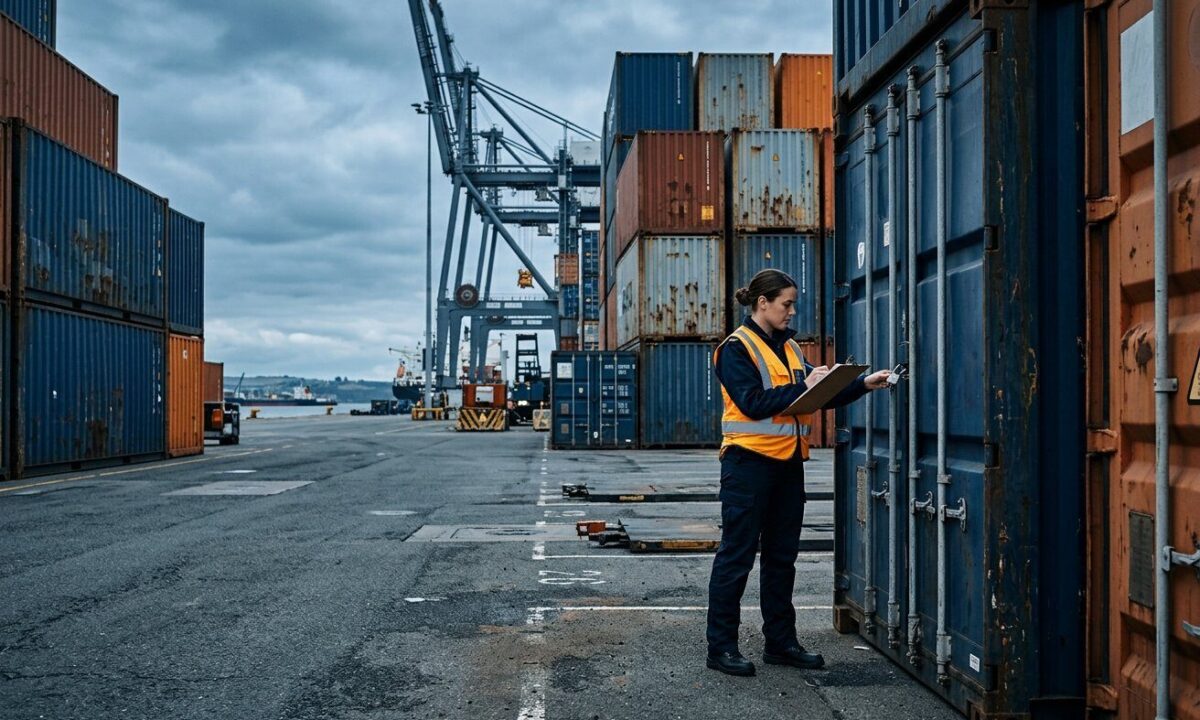
Customs delays are rarely caused by one big mistake. More often, they come from small documentation gaps that surface at the worst possible moment — a missing commercial invoice detail, an inconsistent declared value, or a packing list that does not match the bill of lading.
The five documents to get right first
Before any container leaves its origin terminal, confirm the commercial invoice, packing list, bill of lading, certificate of origin and any permits required for the commodity. Each must agree on weights, values and HS codes — and the entry must be filed with the destination customs authority using the correct importer of record.
Pre-clearance is the real advantage
Filing the entry before the vessel berths can shave days off terminal time. Our team routinely submits pre-alerts 72 hours ahead of arrival so examinations are scheduled rather than discovered.
Sample article provided with the theme. Replace or extend from the WordPress dashboard.